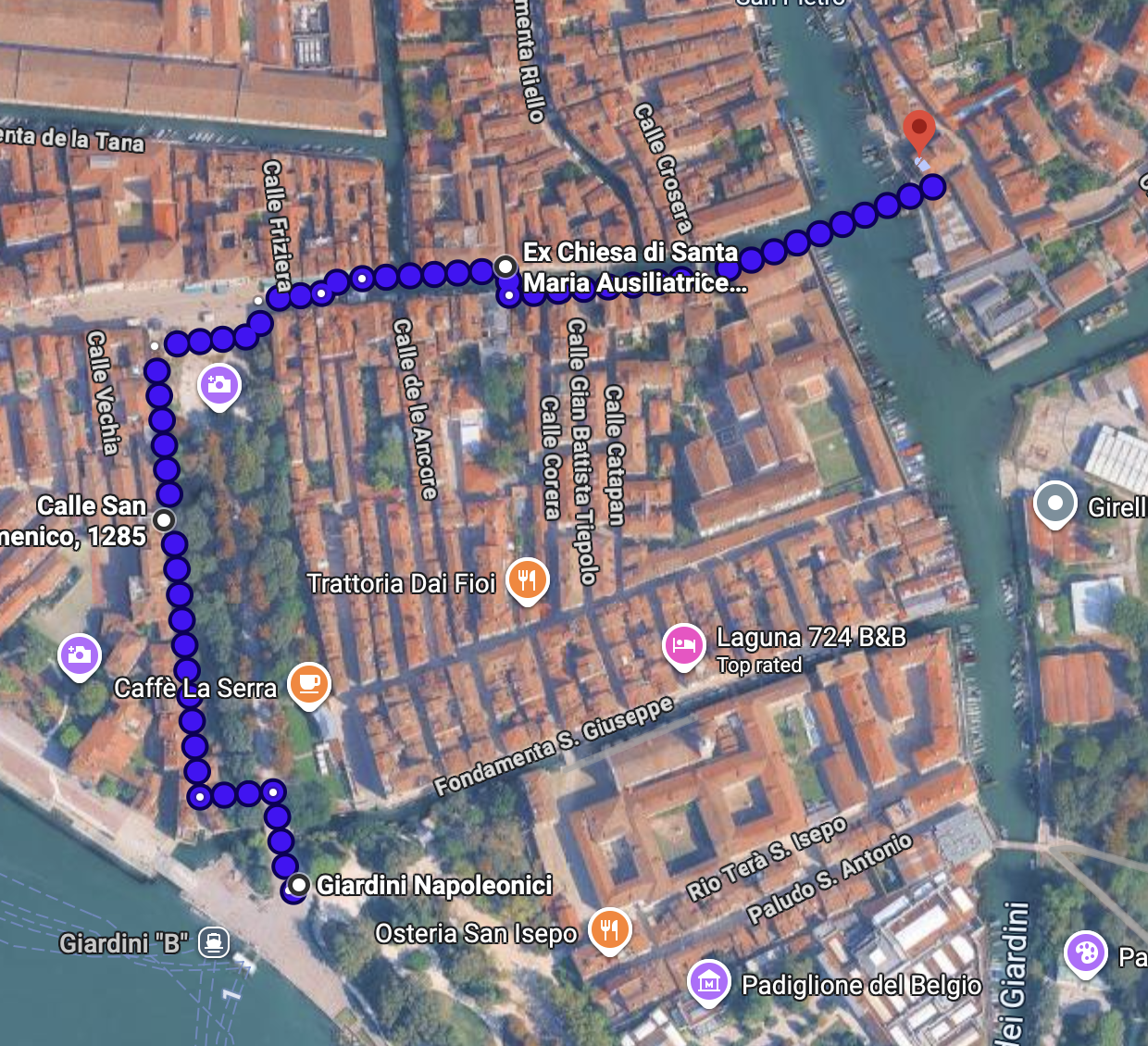
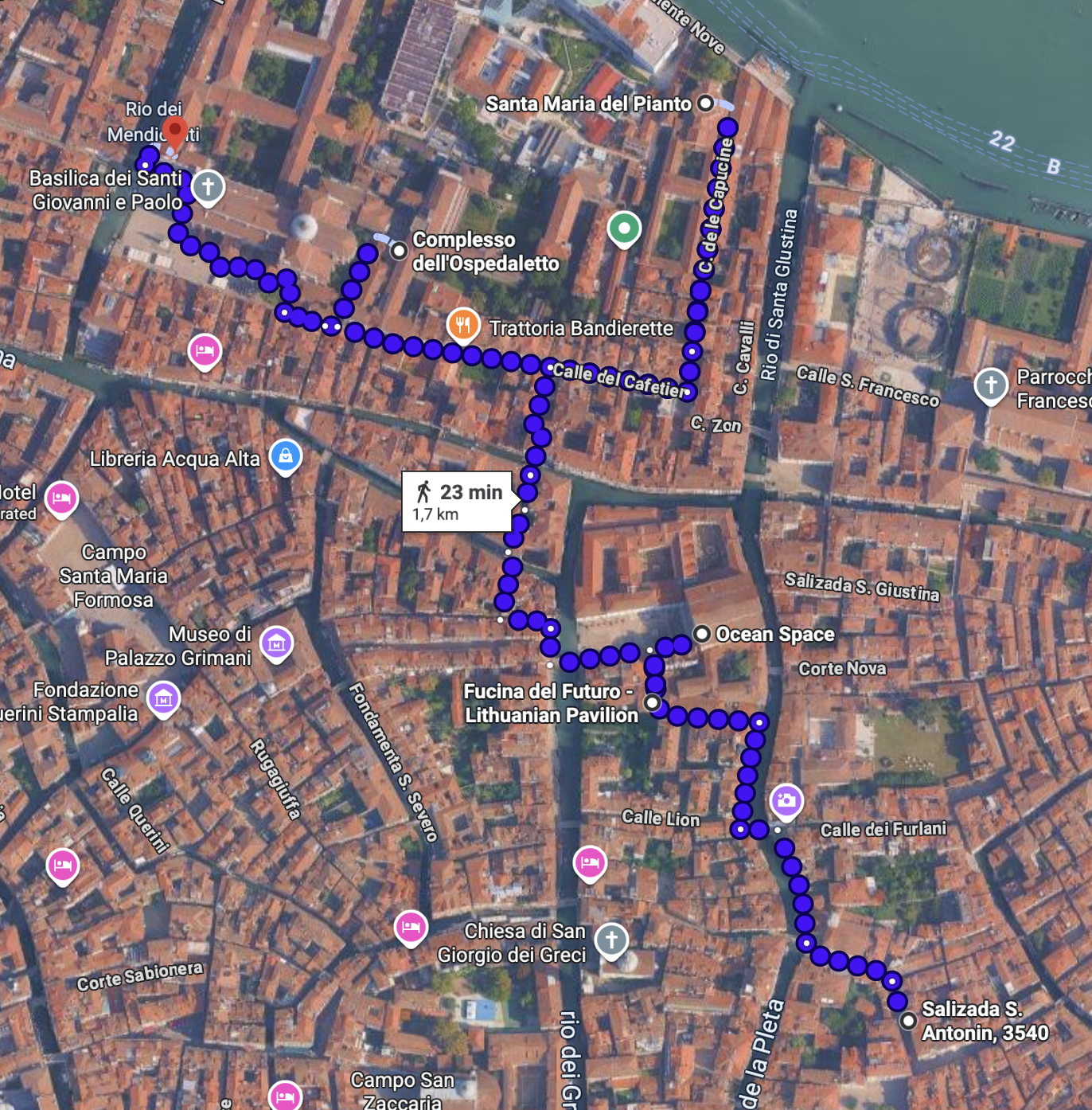
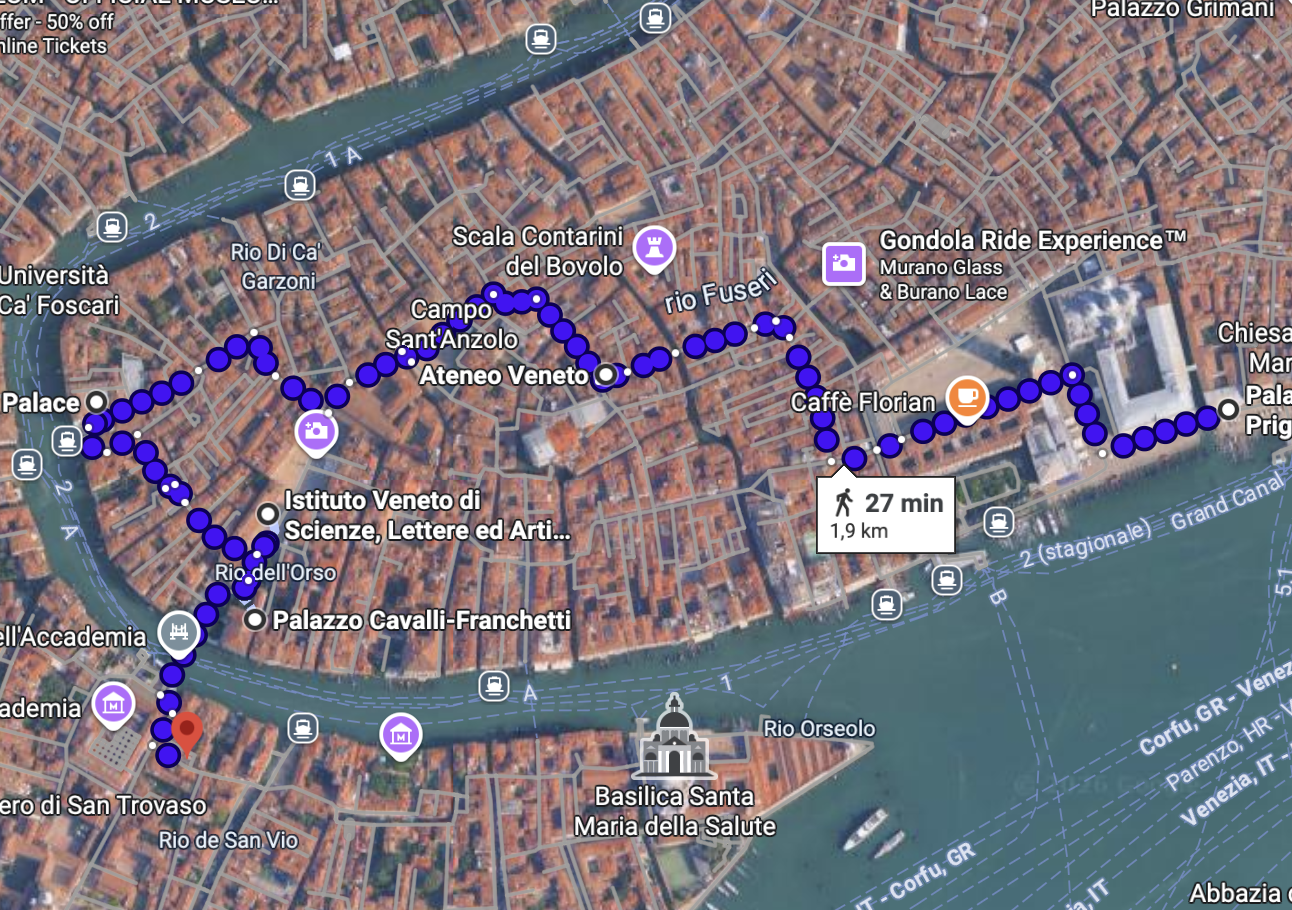
Three convenient walking routes that cover most of my favourites + other worthwhile exhibitions.
ROUTE 1 Estonia – Holy See exhibition – Iceland Route as a GOOGLE MAPS LINK 1. Giardini (start) Giardini Napoleonici, Viale Trento, 30122 Venezia VE, Italy 2. Estonian Pavilion / Merike Estna Calle S. Domenico, 1285, 30122 Venezia VE, Italy 3. Holy See Pavilion / the exhibition Ex Chiesa di Santa Maria Ausiliatrice – Padiglione Santa Sede Biennale di Venezia, Fondamenta S. Gioacchin, 450, 30122 Venezia VE, Italy 4. Icelandic Pavilion / Ásta Fanney Sigurðardóttir Icelandic Pavilion, S. Pietro di Castello, 30100 Venezia VE, Italy
ROUTE 2 Elegy – Ocean Space – Lithuania – Kosovo – Canicula – Congo Route as a GOOGLE MAPS LINK 1. Elegy in Venice / Gabrielle Goliath Salizada S. Antonin, 3540, 30122 Venezia VE, Italy 2. Ocean Space / Tide of Returns + Nature Speaks Ocean Space, Campo S. Lorenzo, 5069, 30122 Venezia VE, Italy 3. Lithuanian Pavilion / Eglė Budvytytė Fucina del Futuro – Lithuanian Pavilion, Calle S. Lorenzo, 5063B, 30122 Venezia VE, Italy 4. Republic of Kosovo Pavilion / Brilant Milazimi Santa Maria del Pianto, C. de le Capucine, 30122 Venezia VE, Italy 5. Canicula – Fondazione In Between Art Film Complesso dell’Ospedaletto, Barbaria delle, Barbaria de le Tole, 6691, 30122 Venezia VE, Italy 6. Democratic Republic of Congo Pavilion Scuola Grande di San Marco, Campo dei Santi Giovanni e Paolo, 6777, 30122 Venezia VE, Italy
ROUTE 3 Taiwan – Lee Ufan+Alighiero Boetti – Natasha Tontey – Michael Armitage+Amar Kanwar – Sanya Kantarovsky – Eva & Franco Mattes+Turandot+Giosetta Fioroni – Ukraine Route as a GOOGLE MAPS LINK 1. Taiwan / Li Yi-Fan Palazzo delle Prigioni Nove, Riva degli Schiavoni, 4209, 30122 Venezia VE, Italy 2. Lee Ufan + Alighiero Boetti / SMAC Venice SMAC Venice (San Marco Art Centre), P.za San Marco, 105, 30124 Venezia VE, Italy 3. Natasha Tontey / Amos Rex + LAS Foundation / Ateneo Veneto Ateneo Veneto, Campo S. Fantin, 1897, 30124 Venezia VE, Italy 4. Michael Armitage + Amar Kanwar / Palazzo Grassi Grassi Palace, Campo San Samuele, 3231, 30124 Venezia VE, Italy 5. Sanya Kantarovsky / Palazzo Loredan: Istituto Veneto di Scienze, Lettere ed Arti c/o Palazzo Loredan, Campo S. Stefano, 2945 S.Marco, 2946, Campo Santo Stefano, 2945, 30124 Venezia VE, Italy 6. Eva & Franco Mattes + Turandot: To the Daughters of the East + Giosetta Fioroni Palazzo Cavalli-Franchetti, Fondamenta Narisi, 2847, 30124 Venezia VE, Italy 7. Still Joy – from Ukraine into the World Palazzo Contarini Polignac, Sestiere Dorsoduro, 874, 30123 Venezia VE, Italy
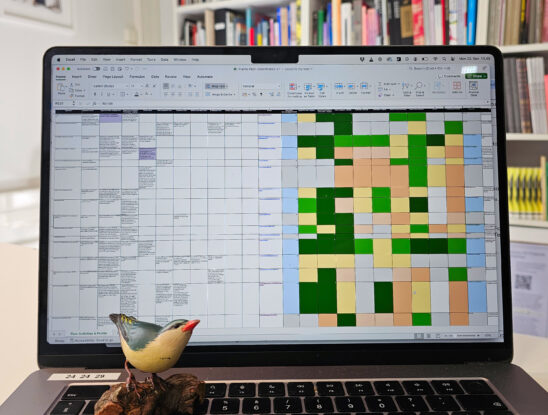
I just finalised a benchmark spreadsheet for Frame Contemporary Art Finland. The sheet lists 22 organisations with missions similar to Frame and contains 35 columns of potentially relevant information. The document maps how organisations currently build and support international connections in visual and contemporary art. I’ve been wanting to have a benchmark list like this for a very long time, and thanks to the advent of efficient AI tools, it finally exists.
The document is based entirely on publicly available materials, so it contains no hidden secrets. You can download the document here.
I’m also working on two follow-up documents. One focuses on specific countries and adds more organisations, showing how gaps in activity are sometimes filled by other players and giving a clearer picture of each national ecosystem.
The other, which I find even more exciting, looks at “low-hanging fruit” — novel activities taken up by just one or two organisations. The goal is to gather fresh ideas and broaden the opportunities Frame could explore.
It would also be interesting to create similar spreadsheets for other art forms — music, theatre, film, and so on. Each discipline has its own ecosystem and operational logic; there is no one-size-fits-all method that applies across the arts.
Some reflections on how the document was made and what significance it might have:
The process of making this document resembled quite a bit the work of a software designer (my profession when I was a youngster). I had to break the work into manageable steps and frame each step with clear constraints, so that progress could be tested and verified. A key part of the process was defining the information sources upfront – it allowed me to utilise the superhuman information-processing capacity of generative AI while avoiding its wilder hallucinations.
It would have made little sense to delegate this task to a human assistant. Generative AI is simply far superior at scanning vast amounts of material in multiple languages (in this case Danish, Dutch, Korean, Japanese, etc). The compromise one currently has to live with is that while generative AI can be incredibly powerful, it can also be frustratingly dumb, sometimes failing at the simplest of tasks.
One could say that ‘I was able to make this document NN times faster because of generative AI’, but I think that would be misleading. Without generative AI, I would never have started the project in the first place – completing it within the available work hours would not have been realistic. Nevertheless, working on this document meant I recently spent more, not fewer, hours at my laptop.
What generative AI has really changed in my daily work is that I can clear certain routine tasks more quickly and devote more time to the challenging, complex tasks. The result is a general upgrade in the quality of my work, even though there are no obvious savings at the organisational level (my salary and working hours remain the same).
Using this spreadsheet as an example, one fundamental value of generative AI is the potential to improve the quality of decision-making. Even a modest 5–10 % gain can obviously have profound effects: the difference between a correct and a mistaken decision can sometimes determine whether an organisation thrives or fails.
And finally, a small disclaimer –
In the near future (and already to some extent today), it will be possible to run advanced generative AI models on personal devices, without devouring vast amounts of energy or other resources. Meanwhile, the current situation is quite bonkers: a small circle of overvalued giga-corporations is doing its best to amplify the market bubble by pouring astronomical sums of money into one another.
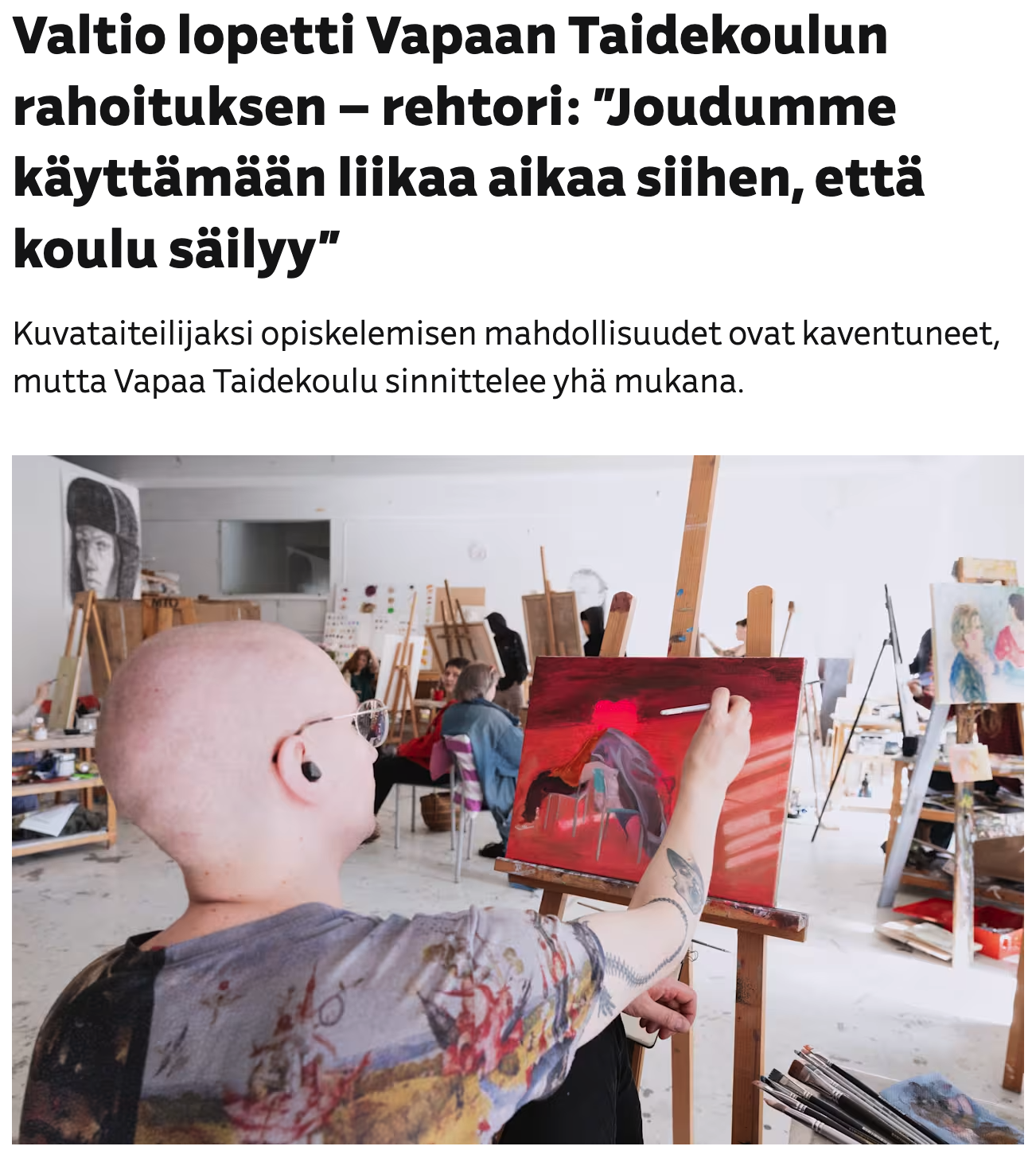
Vapaan taidekoulun ja Taidekoulu Maan rahoitusta ei lopetettu sen takia, että näiden koulujen toiminta ei olisi ollut riittävän laadukasta, kustannustehokasta ja taidekentän kehityksen kannalta tärkeää. Erityisesti kustannustehokkuus on ollut aivan häikäisevää – yhden korkeakouluprofessorin palkalla ollaan pyöritetty kokonaista oppilaitosta! Nyt tiukkojen budjettien aikoina juuri tällaisia organisaatioita tarvittaisiin. Jos näitä kouluja ei olisi, joku ehkä keksisi ne nyt – “hei, mitäs jos perustettaisiin byrokratialtaan mahdollisimman kevyt koulutusinstituutio, joka täydentäisi kallista korkeakouluissa tapahtuvaa koulutusta?”.
Näiden koulujen rahoitus lakkasi, koska “ei ole perusteltua pitkäjänteisesti tukea koulutustoimintaa, johon Taike ei hakuehtojen mukaan myönnä toiminta-avustuksia”. Eli syynä ovat hakuehdot. Taike ja OKM olisivat ihan hyvin voineet löytää tähän jonkun ratkaisun, muuttamalla hakuehtoja tai perustamalla jonkun uuden rahoituskanavan. “If there’s a will, there’s a way”. Noloksi tämän tilanteen tekee Taiken ja OKM:n kannalta se, että Kela, joka ei ole instituutiona erikoistunut kulttuuriin, pystyi viime vuonna löytämään luovan ratkaisun siihen, että näiden koulujen opiskelijat saavat opintotukea.
Taidekoulujen rahoituksen päättyminen ei ole siis osoitus niiden toiminnan heikkoudesta, vaan hallinnollisen tahdon puutteesta. Kun Kela onnistui löytämään ratkaisun opintotukeen, olisi ollut vähintään kohtuullista odottaa Taikelta ja OKM:ltä vastaavaa vastuunkantoa koulutuksen rahoituksessa.
Tein päivitetyn version luvuista: vertailin OKM:n rahoituspäätöksiä vuosilta 2023-2025 ja Taiken päätöksiä vuosilta 2024-2025.
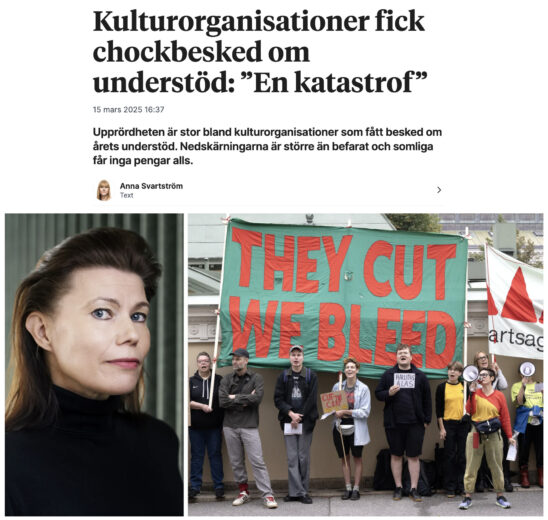
Vuosina 2024 ja 2025 valtakunnallisten kulttuuriorganisaatioiden rahoitusta on leikattu yhteensä 34%. Ei ihme, jos kulttuurikenttä tuntee tällä hetkellä olevansa jyrän alle jäänyt.
OKM:n budjetissa näkyy paljon tyhjiä rivejä, eli jonkinlainen ‘puhdistus’ on nyt toteutettu. Mistä tässä puhdistuksessa on kysymys? Ainakin on selvää, että listalta ovat pudonneet ne toimijat, joiden nimessä esiintyy sana ‘liitto’. Ilmeisesti on tehty päätelmä, että nämä toimijat ovat työmarkkinoiden näkökulmasta edunvalvontajärjestöjä, joiden ei kuulu saada valtion tukea, vaan heidän on rahoitettava toimintansa jäsenmaksuilla. Osa OKM:n tukea saaneista toimijoista onkin varsin hyvin jäsenmaksuillaan pärjääviä järjestöjä, joihin voi ajatella tämän leikkauslogiikan pätevän. Tämä ei ole kuitenkaan tilanne kaikkien ‘liittojen’ kohdalla. Monien tehtävänä on jonkun tietyn kulttuurin alueen ylläpitäminen ja kehittäminen. Esimerkkinä suosittelen vilkaisemaan vaikkapa Suomen Harmonikkaliiton toimintaa ja jäsenetuja.
OKM:n rahoituksen piirissä on paljon toimijoita, jotka eivät ole edunvalvontajärjestöjä vaan heidän tehtävänsä on alan kehittäminen, ja monen kohdalla erityisesti kansainvälisyyden kehittäminen. Esimerkiksi Frame Contemporary Art Finlandin sidosryhmiä ovat taiteilijat, yhdistykset, yritykset ja säätiöt, sekä monet kansainväliset verkostot ja toimijat. Framella ei ole jäseniä tai jäsenmaksutuloja. Frame on OKM:n perustama säätiö, jolle OKM:n on delegoinut alan kehittämiseen ja kansainvälistämiseen liittyviä tehtäviä. Käsittääksemme nämä tehtävät eivät ole menettäneet merkitystään, vaan päinvastoin – hallitusohjelmaan on kirjattu tavoitteeksi luovien alojen kansainvälisyyden kehittäminen.
Kiinnostavaa on myös OKM:n ja Taiken lukujen merkittävä eroavaisuus. Taike piti organisaatioiden kokonaisrahoituksen ennallaan, kun OKM samaan aikaan leikkasi radikaalisti. Taike on koko leikkausprosessin ajan kommunikoinut aktiivisesti kulttuurikentän kanssa ja jo hyvissä ajoin ilmoittanut, että he tässä haastavassa tilanteessa tulevat leikkaamaan pääasiassa projekteille suunnatusta rahoituksesta ja minimoimaan organisaatioiden rahoitukseen kohdistuvat leikkaukset. Organisaatiolla on vakinaista henkilökuntaa ja monivuotisia hankkeita, joiden omarahoitusosuutena usein toimii valtiolta saatava perusrahoitus. Äkkinäisillä ja mittavilla leikkauksilla organisaatioiden rahoitukseen on merkittävät haittavaikutukset, verrattuna siihen, että leikataan lyhytkestoisesta hankerahoituksesta. Taike kuitenkin totesi, että tämä linjaus on väliaikainen, mikä on hyvä asia. Taiken projektirahoituksesta ovat riippuvaisia monet yksittäiset taiteilijat ja ruohonjuuritason toimijat, joten pitemmällä aikavälillä on tärkeää löytää sopiva balanssi toiminta-avustusten ja projektirahoituksen välillä. Toivon mukaan tämä siirtymä pystytään tekemään siten, että organisaatiot pystyvät hyvissä ajoin varautumaan muutoksiin.
Miksi OKM ei tehnyt samanlaista valintaa kuin Taike ja leikannut lyhytkestoisista hankerahoituksista? Tätä en tiedä, enkä ymmärrä. Toisin kuin Taike, OKM ja poliittiset päättäjät eivät ole kommunikoineet kulttuuriorganisaatioiden kanssa näiden leikkausten logiikasta. Hallitusohjelman kanssa ne tuntuvat ainakin olevan suorassa ristiriidassa. Tämä maa ei lähde nousuun lyhytkestoisella hankehumpalla, jos perusrakenteet rapautetaan.
Kulttuurialan valtakunnallisille toimijoille tämä tilanne on äärimmäisen epäselvä ja turhauttava. En usko että tämän maan kulttuuri tulee kukoistamaan ja luovat alat kääntyvät nousuun ennen kuin päättäjien sanat ja teot kohtaavat ja kulttuurialan avainorganisaatiot pääsevät jatkamaan suunnitelmallista työtään mielekkäillä resursseilla.
Yhteiskuntamme tarvitsee taloudellista kasvua, mutta globaalissa kontekstissa tämän kasvun seuraukset ovat akuutilla tavalla hälyttäviä. Tästä seuraa paradoksi – tarvitsemme kasvua, mutta samaan aikaan kasvun hillitsemistä (englanniksi ’degrowth’).
Tämä paradoksi johtuu osaksi vain mielikuvituksemme puutteesta. Ajatus kasvusta pelkistetään usein numeroihin, jotka voivat liikkua vain yhdellä akselilla, kuten koko Suomen bruttokansantuote. On paljon haastavampaa kuvitella jotain ihan muuta: yhteiskunta, joka ei ole vain jollain tavalla ’vähemmän’ kuin nykyinen, vaan perusluonteeltaan ratkaisevasti erilainen.
Antti Salminen ja Tere Vadén ovat viimeisen viidentoista vuoden aikana tehneet tärkeää ja uraauurtavaa työtä tutkimalla fossiilikapitalismin ilmenemistä suomalaisten kielenkäytössä ja arjessa. Heidän kirjasarjansa1 on käsitellyt ’fossiilisyntaksia’, josta olemme tulleet riippuvaiseksi, sekä hahmotellut tapoja tästä riippuvaisuudesta irroittautumiseen. Esimerkki fossiilisyntaksista on lause ‘tankkaamme ysivitosta bensa-asemalla’. Emme tiedä, mistä tämä kyseinen polttoaine tulee ja valtaosa meistä ei tiedä, millaisen prosessin kautta se on muuttunut ’ysivitoseksi’. Tästä huolimatta halvan ’ysivitosen’ saatavuus tuntuu monille meistä jokaisen kansalaisen perusoikeudelta, jonka haastaminen synnyttää voimakkaita tunteita.
Yksi kirjasarjan avaintermeistä on ’elo’, joka on osaltaan synonyymi elämälle, mutta myös laajempi ja avoimempi termi. Elosta koostuvat mm. ”vatsabakteeristo, koivukuja, karhunpentu, taloussihteeri, itiöemä, punajäärä ja koleraepidemia”2.
Miksi olemme päätyneet tilanteeseen, jossa energia ja elo ovat toisilleen vastakkaisia voimia? Miksi olemme riippuvaisia elolle tuhoisista ’energiapommeista’? Salminen & Vadén eivät tarjoa näihin kysymyksiin selkeitä tai yksinkertaisia vastauksia. Heidän kirjoituksensa ovat kuitenkin olleet tärkeä kimmoke sille, että organisaationi HIAP (Helsinki International Artist Programme) päätyi etsimään toisenlaisia toimintamalleja – toisenlaista ’eloa’. Tämä tapahtui pääasiassa vuosina 2018-2020 toteutetun spurtin aikana, jolloin oppaamme ja kumppanimme oli Hyrynsalmella sijaitseva Mustarinda-residenssi3.
Tavoitteenamme oli pienentää organisaation ekologista jalanjälkeä kolmeen alueeseen liittyen – ruoka, energia (sähkö, lämmitys) ja matkustus4. Ruoan suhteen teimme suoraviivaisen muutoksen: päätimme tarjota vain kasvipohjaista ruokaa. Energia oli aiheena haastava – emme pystyneet tekemään muutoksia suoraan itse, vaan jouduimme neuvottelemaan vuokranantajamme kanssa fiksumman energiajärjestelmän asentamisesta. Kolmen vuoden dialogin jälkeen tämä onnistui.
Yksi HIAPin päätehtävistä on kansainvälisyyden kehittäminen, joten matkustuksen päästöjen vähentäminen oli lähtökohtaisesti haastava ajatus. Tässä kuitenkin onnistuttiin, ja vaikutukset ovat olleet mielestäni pelkästään positiivisia. Matkustuskäytäntöjen muuttamisen kautta olemme saaneet ainakin aavistuksen erilaisesta ’elosta’.
Vuoden 2019 alusta lähtien HIAPin henkilökunta on lähtökohtaisesti käyttänyt ekologisia matkustusmuotoja, eli matkustunut maata ja merta pitkin. Olennaisin kulkuväline on juna, jonka ekologinen jalanjälki on murto-osa lentokoneeseen verrattuna.
Ekologinen matkustaminen on hitaampaa ja usein myös kalliimpaa. Tästä johtuen matkat on suunniteltava jo hyvissä ajoin etukäteen, ja niiden suhteen on tehtävä tarkempia valintoja. Matkojen kesto on yleensä noin 2-3 viikkoa, ja yhden matkan aikana vieraillaan useammassa kohteessa. Nämä ovat yksinkertaisia muutoksia, mutta ovat vastahangassa vallitsevan tehokkuusajattelun suhteen.
Yksi tapa hahmottaa toiminnassamme tapahtunut muutos on visualisoida se kartan muodossa. Aikaisemmin kartta HIAPin yhteistyökumppaneista oli sirpaleinen ja pistemäinen. Kartassa olivat kohteet jonne lensimme usein, ja lähiseudut jäivät katveeseen – me yksinkertaisesti vain lensimme niiden yli. Nyt HIAPin kartassa on enemmän rakennetta ja jatkuvuutta. Tiiviit dialogit ovat lähiseudulla ja lähimaissa – Ruotsissa, Tanskassa ja Baltian maissa. Junat kulkevat näiden maiden kautta, ja matkat tarjoavat mahdollisuuden säännöllisiin tapaamisiin ja parantavat ammatillisten dialogien laatua. Säännölliset kohtaamiset ovat johtaneet yhteistöihin, jotka on ollut mahdollista toteuttaa ekologisemmin.
Toinen kiinnostava muutos on ollut ammatillisen roolin ja yksityisen elämän rajan liudentuminen. HIAPin on mahdoton velvoittaa henkilökuntaa tekemään kahden viikon kestoisia työmatkoja. Nämä ovat mahdollisia ainoastaan, jos ihmiset itse kokevat ne mielekkääksi ja pystyvät järjestämään ajan näille matkoille. Tämä vaatii perheen tai lähipiirin sitoutumista ja osallistumista, ja he tulevat osalliseksi tätä muutosta. Uskon, että jatkossa tulemme tarvitsemaan yhä enemmän vastaavanlaista työn ja yksityiselämän yhteispeliä – niistä tulee ekologisesti kestävämpi kudelma, joka on vuorovaikutuksessa energian rytmien kanssa. Esimerkiksi sähkön saatavuus tulee jatkossa olemaan tärkeä kysymys, ja ”sähkö on tuoretavaraa ja sitä pitäisi mieluusti käyttää silloin, kun sitä sitä on paljon ja se on halpaa”5.
Henkilökohtaisesti ekologinen matkustaminen on lisännyt elämän laatua. Olen pystynyt suunnittelemaan kalenteriani paremmin, kun minulla on hyvä syy sanoa ’ei’ pikaisella varoitusajalla ilmaantuville matkaehdotuksille. Junassa matkustaminen on luksusta – on aikaa lukea, kirjoittaa, rauhoittua. Kun tähän tottuu, tuntuu ajatus lentämisestä yhä vastenmielisemmältä. Lentokoneen kiihdyttäessä kiitoradalla voi fyysisesti tuntea, kuinka on itse osallisena valtavan kerosiinimäärän polttamiseen.
Yksi tärkeä oppi on ollut se, että yksityishenkilöihin verrattuna organisaatioiden on paljon helpompi tehdä toimintaansa ekologisesta näkökulmasta merkittäviä muutoksia. Organisaatioille on luontevaa asettaa kunnianhimoisia tavoitteita ja näihin pohjautuen esittää vaatimuksia, ilman että heitä leimataan ’hankaliksi tapauksiksi’ tai ’ilonpilaajiksi’. Organisaatioiden puitteissa voidaan tarkastella kokonaisuuksia ja tehdä pitkäjänteisiä taloudellisia satsauksia, jotka olisivat haastavia yksityishenkilöille.
Millä tavoin tämä kaikki edellä kuvattu liittyy pamfletin pääaiheeseen, alueiden ja paikkakuntien vetovoimaan ja elinvoimaisuuteen?
Energia tulee olemaan jatkossa yhä enemmän paikallisempaa ja tiiviimmässä suhteessa säätiloihin, vuodenaikoihin ja luonnonolosuhteisiin. Suomessa parhaiten toimivat ratkaisut tulevat olemaan erilaisia kuin Ranskassa, Italiassa, Brasiliassa tai Kiinassa. Paikkakuntien tasolla on myös mahdollista tehdä paljon, ja tässä kulttuurilla on tärkeä rooli. Inspiraationa voi toimia esimerkiksi vuonna 2005 käynnistynyt Transition Network6, joka tuo yhteen paikallisia yhteisöjä jakamaan tarinoita ja vinkkejä fossiilisista polttoaineista irtautumiseen.
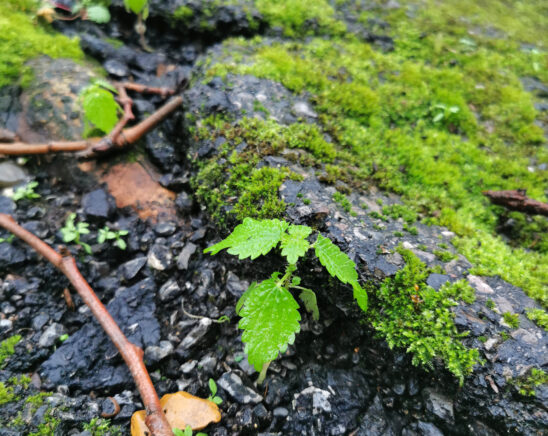
Luonto on paikallista, samoin luontokato. Kuten Tere Vadén toteaa, on luontokato poliittisesti vaikeampi ongelma kuin ilmastonmuutos. Poliitikot kaipaisivat tähän selkeää mittaria, mutta ”koska luontokato ei tarkoita vain yhtä asiaa, sellaista ei ole eikä tule. Yhtä mittaria ei voi olla, koska biodiversiteetti on niin monimuotoinen asia. Päättäjät toivovat, että tutkijat sanoisivat täsmällisesti, mitä tehdä. Kun yleispätevää neuvoa ei ole, tämä tulkitaan niin, ettei tiedetä, mitä pitäisi tehdä. Halutaan täsmällisyyttä ja kustannustehokkuutta luontokadon torjunnassa, ja kun sitä ei saada, ei tehdä mitään. Niin siinä sitten käy, että vaikka haluamme suojella luontoa, emme osaa”7.
Vaikka luontokato on monimutkainen ilmiö, on se paikallisella tasolla kuitenkin selkeää ja konkreettista. On tärkeää sanoa, että ”uhanalaisia ovat tämä metsä, tämä harju, tämä järvi”8. Tällä tavoin voimme toivon mukaan päästä kiinni kestävämpään, monimuotoisempaan ja rikkaampaan elinvoimaan ja eloon.
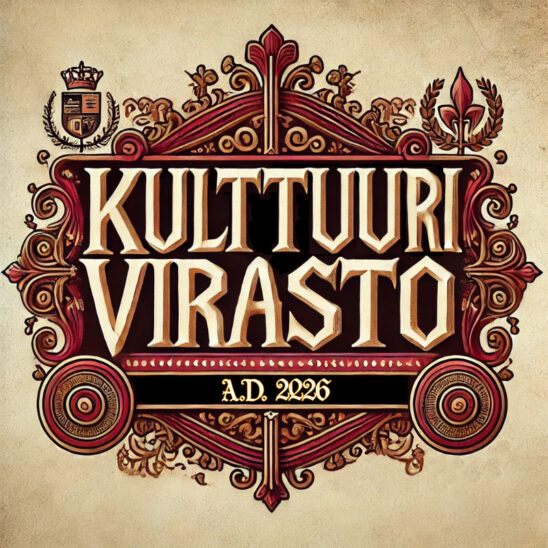
Lakiesitys opetus- ja kulttuuriministeriön virastouudistuksesta on lausuntokierroksella tammikuun loppuun asti. Yhtenä osana tätä uudistusta Taike (Taiteen edistämiskeskus) sulautettaisiin yhteen Kavin (Kansallinen audiovisuaalinen instituutti) kanssa, ja meillä oli jatkossa näistä kahdesta toimijasta muodostettu Kulttuurivirasto.
Esitysluonnoksessa on 115 sivua ja se julkaistiin juuri ennen joulua. Aikaa lausuntojen antamiselle on 31.1.2025 asti. Tämä on jo lähtökohtaisesti kyseenalainen tilanne – monitahoisen lakiesitykseen tutustumiseen ja kommentointiin ei ole varattu sen vaatimaa aikaa.
Lakiesityksen tavoitteena on “selkeyttää ja yhtenäistää opetus- ja kulttuuriministeriön hallinnonalan virastorakennetta toiminnallisesti ja taloudellisesti tarkoituksenmukaisemmaksi kokonaisuudeksi siten, että virastoja on helpompi ohjata, ne ovat toiminnallisesti nykyistä selkeämpiä kokonaisuuksia ja niiden toiminta on yhteiskunnallisesti vaikuttavampaa”. On hankala nähdä, miten nämä tavoitteet toteutuisivat tällä lakiesityksellä. Kulttuurivirasto olisi jatkossa kahdesta hyvin erilaisesta toimijasta muodostettu konglomeraatti, jonka missio olisi epäselvä. Tämä mielestäni puurouttaisi toimintaa ja viestintää päätöksentekijöiden, organisaatioiden ja taiteilijoiden suuntaan.
Ote Taiken omasta lausunnosta: “Taiteen edistämiskeskus toteaa ensimmäiseksi, että Taiteen edistämiskeskuksen ja Kansallisen audiovisuaalisen instituutin yhdistymiselle ei tunnisteta toiminnallisia perusteita substanssitehtävien osalta. Virastojen nykyiset toiminnot ja toimialat eroavat toisistaan merkittävästi, eikä yhdistymisestä odoteta seuraavan merkittäviä hyötyjä.”
Virastouudistuksen kylkiäisenä halutaan myös merkittävästi muuttaa vertaisarviointia. Jatkossa vertaisarvioinnista olisi vastuussa asiantuntijapankki, jossa olisi noin 200-250 jäsentä. Uskoisin, että tämä järjestely voisi periaatteessa toimia hyvin. Vertaisarvioinnissa käytettyjen asiantuntijoiden määrä kasvaisi huomattavasti ja mukaan tulisi mahdollisuus käyttää varajäseniä, mikä helpottaisi jääviystilanteita. Esimerkiksi Belgiassa Flandersin alueella siirryttiin asiantuntijapankin käyttöön jo vuonna 2016 (lisätietoa Dirk De Witin presentaation materiaaleissa / Towards Smart Art Funding Seminar vuodelta 2019).
Ongelmallista virastouudistuksen nykyisessä nykytilanteessa on se, että: A. Asiantuntijapankin jäsenten nimeämisestä ja toimintalogiikasta ei ole tehty tarkempaa suunnitelmaa ja B. Asiantuntijapankkia ei mainita varsinaisessa lakiesityksessä ollenkaan
KULTA ry:n lausunto on tästä aiheesta reippaan suorasanainen, ja lainaan sen tähän kokonaisuudessaan:
“Kulttuurin ja taiteen edistämisen rakenteiden heikkous on sen sirpaleisuus – ja lähes jokainen sirpale on aliresurssoitu. Yhden isomman viraston syntyminen ei sitä muuksi muuta, sillä Taiken ja Kavin yhdistymiselle ei ole toiminnallisia perusteita, eikä mikään rakenne näytä sen ansiosta tosiasiallisesti vahvistuvan. Samaan aikaan järjestöleikkaukset halvaannuttavat ja entisestään sirpaloittavat taiteen edistämisen rakenteita, kun toimijat joutuvat suojelemaan ydintoimintojaan tai toimintaedellytykset katoavat kokonaan.
Keskeinen huoli virastouudistuksessa liittyy apurahoja koskevaan päätöksentekorakenteeseen. Kun päätökset keskitetään yhteen toimielimeen, se on rakenteena hauras varmistamaan kädenvarren mitta -periaatteen toteutumisen kaikissa oloissa. Yhdelle keskitetylle toimielimelle ollaan antamassa liikaa valtaa, jota se voi käyttää kumileimasimena tai ohittaa asiantuntijapaneelit tai antautua käsikassaraksi politrukeille.
Virastouudistuksen kylkiäisenä ei näin suurta periaatteellista paradigman muutosta pidä toteuttaa. Keskustelu taiteen autonomian rakenteista olisi pitänyt käydä kulttuuripoliittisen selonteon yhteydessä tai ylipäänsä laajasti taiteilijajärjestöjen kanssa.
Käytännössä uuden viraston johdon ja toimielimen nimeämisen kautta ministeri voisi halutessaan varmistaa, että hallitukselle mieluisaan taiteeseen saa rahoitusta. Kädenvarren mitta -periaate voi toki jatkossakin toteutua herrasmiessopimuksen varassa, mikäli poliitikot pitävät taiteen vapautta tärkeänä. Toki näin on jo nytkin. Taiteen autonomia lepää sen varassa, että valtaa käyttävät luottamushenkilöt ja viranhaltijat ovat siihen sitoutuneita.
Laissa olisi syytä kirjata asiantuntijapaneelien käyttö luonnosta velvoittavammaksi. Toinen autonomiaa takaava pohdinta on se, miten neuvosto nimitetään eli miten varmistetaan se, ettei neuvosto ole ministerin taskussa, vaan aidosti taiteen kenttää edustava asiantuntijajoukko ja sen nimitysprosessi avoin ja läpinäkyvä.
Taiteen vapauden eli autonomian pitäisi olla rakenteilla varmistettu. Eri Euroopan maissa on vertaisarviointia halvaannutettu tai jopa kansallisten laitosten johtajia vaihdettu vallanpitäjille myötämielisiin. Tämä ajan hengessä ja käytännössä oleva huoli on otettava vakavasti, ja pyrkiä niin vahvaan taiteen autonomian rakenteeseen, että demokratiamme kestää myös demokratianvastaisten voimien nousun.
Taiteen vapaus ja autonomia on säädetty perustuslailla, mutta se pitäisi erikseen turvata tällä nimenomaisella lainsäädännöllä. Nyt uusi laki mahdollistaisi sen, ettei vertaisarviointirakenteena paneelia ole pakko käyttää. Ymmärrämme tämän taustalla olevat lakitekniset syyt, mutta sen seuraukset voivat silti olla huolestuttavat. Työjärjestyksen varaan ei ole turvallista jättää näin paljon, eikä työjärjestyksen laatiminen ole avoin ja läpinäkyvä prosessi. Taiteen autonomia pitäisi turvata laissa ja tehdä rakenne, jossa autoritäärinen poliitikko ei pääse nimittämään mieluisiaan henkilöitä tekemään taiteen rahoituspäätökset.
Kulttuuri- ja taidealan keskusjärjestö KULTA ry esittää huolensa paradigman muutoksesta Suomessa: tieteen, taiteen ja kansalaisjärjestöjen autonomia on hapertumassa. Samankaltaisia muutoksia – esimerkiksi tehokkuuden ja vaikuttavuuden nimissä – ollaan toteuttamassa myös muilla toimialoilla kuin kulttuurihallinnossa. Esitämme aikalisää virastouudistuksen valmisteluun, jotta yksi länsimaisen demokratian keskeinen perusta eli taiteen autonomia voidaan turvata.
Tuemme myös saavutettavuuskirjasto Celian esitystä, että sen asema itsenäisenä toimintayksikkönä lisätään lakiin. Vammaisten kulttuuriset oikeudet on turvattava.”
Lakiesityksestä on tämän tekstin julkaisuun mennessä tehty yhteensä 25 lausuntoa, jotka nostavat esille myös muita tärkeitä huomioita. Kaikki julkaistut lausunnot löytää, jos klikkaa ruudun oikeassa laidassa olevaa tekstiä ‘Lausunnonantajia: NN’.
Selvyyden vuoksi: tämä blogipostaus on omaa henkilökohtaista pohdintaani aiheesta, Frame Contemporary Art Finland tekee lakiesityksestä erikseen virallisen lausunnon.
For me the most interesting artwork in Vallisaari was a work by Timo Viialainen, a work that is not a part of the Helsinki Biennial. Actually, the work no longer officially exists, it had to be dismantled to make room for the biennial.
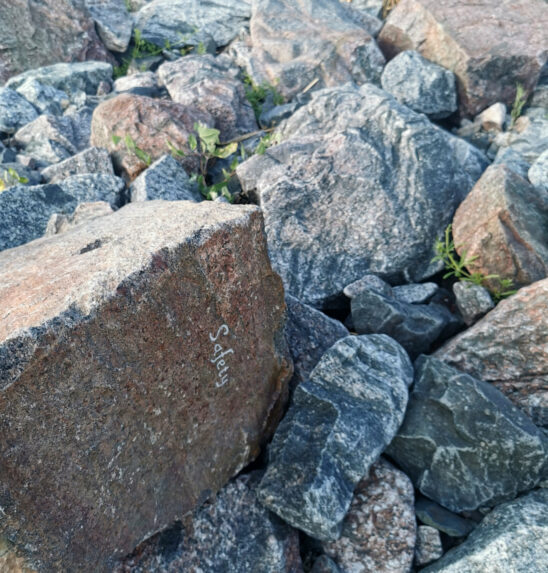
Timo’s work consists of three words: Threat, Is, Safety. Timo carved these words into three stones on the bridge connecting Vallisaari and Kuninkaansaari. The rocks were arranged in a line reaching out to the sea. The audience had to use binoculars to properly see the last word, Safety.
The work comments on the many warning signs that can be found all around the Vallisaari island. The island is mostly a protected nature reserve, and it is also a former military training ground. For these reasons one should not enter the forest but observe it from a safe distance, from the wide roads that circulate the island. This is an unusual experience – in most of other nature trails in Helsinki (Nuuksio, Uutela, Vartiosaari, etc) one is actually walking inside the forest, smelling the aromas and feeling the rocks, roots and soil under one’s feet. The current heat wave amplifies the difference between these two experiences – in Vallisaari walking is exhausting, since one can rarely find cover from the sunshine. The wide empty tracks carved into the forest make Vallisaari a great place for taking photos for social media – for looking at nature instead of experiencing nature.
With his work Timo also wants to point out that an agenda to eliminate all threats is a futile one. A completely safe state is an artificial, isolated condition that cannot be sustained. For one to be safe in a long run one has to be ‘out there’ – involved, engaged, exposed, vulnerable. Threat, Is, Safety. Safety, Is, Threat.
A couple of weeks ago I did my duty as a diligent cultural worker and took part in workshops to develop the art and culture vision for the Helsinki city and the sustainable tourism strategy for Suomenlinna.
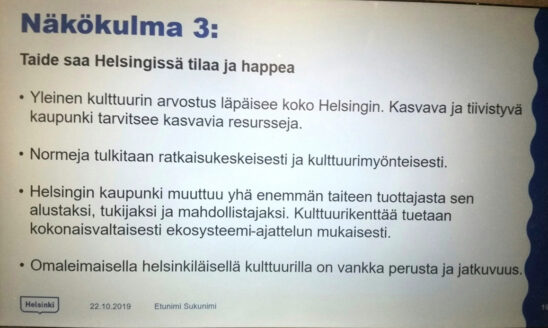
In the Helsinki City workshop one of the slides said that ‘Art will get more space and oxygen’ and that ‘The city will change from a producer of art to a platform, supporter and enabler. The cultural field is supported holistically via ecosystem thinking.’
If this would actually happen (fingers crossed that it will!) then this would be drastic reversal of the policies of the city and the cultural ministry during the past years. For a long time the needs of the nimble and networked grassroot scene have been pretty much ignored, while to focus has been in building bigger bureaucracies with more top-down control and centralising the resources to a few big institutions.
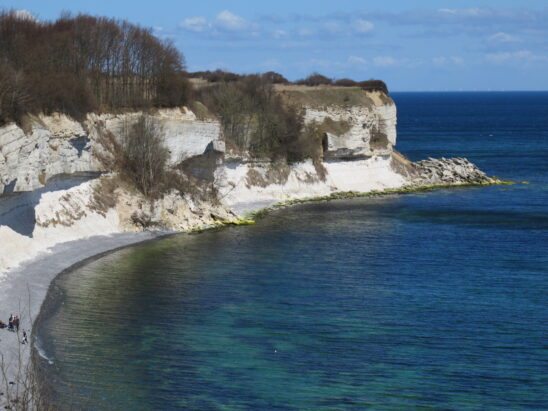
The Suomenlinna workshop that took place on the same day was very inspiring, mostly because of the presentation about how Stevns Klint World Heritage site in Denmark had *failed* in realising their sustainable tourism strategy. They had produced a strategy document that seemed great, but then nothing actually happened. Here is how it failed (writing these since my photos of the slides are so low quality):
Wishful thinking – underestimated the effort needed
No common understanding of sustainable tourism, vision or goals
Not sufficiently anchored in individual organisations / planning (most organisations cannot suddenly take new obligations)
Meetings really only included formal key stakeholders
No systematic follow-up
The failure caused a lot of frustration, but the folks at Stevns Klint were able to turn things around and this is how they did it:
One year of monthly meetings
Getting to know each other
Defining who actually does what
Understanding what is sustainable tourism
What is really the joint vision and goals?
To me this sounds a bit like the process HIAP had with Mustarinda in the Post Fossil Transition project. We had to spend the first one year in monthly meetings (mostly internal ones, some were opened up as public events) to get a shared understanding of what we want to achieve, and to also to get an understanding of how different we are as organisations.
The concluding slide of Stevns Klint presentation featured their learnings:
It takes time and effort
Essential to have a joined understanding
Essential that key stakeholders take real ownership (throughout their entire organisation)
Essential to include and empower local community (commercial and non-commercial)
It is meaningful to work for a higher cause
In general the message of the Stevns Klint presentation was that a strategy is just a piece of paper, what matters is what actually happens.
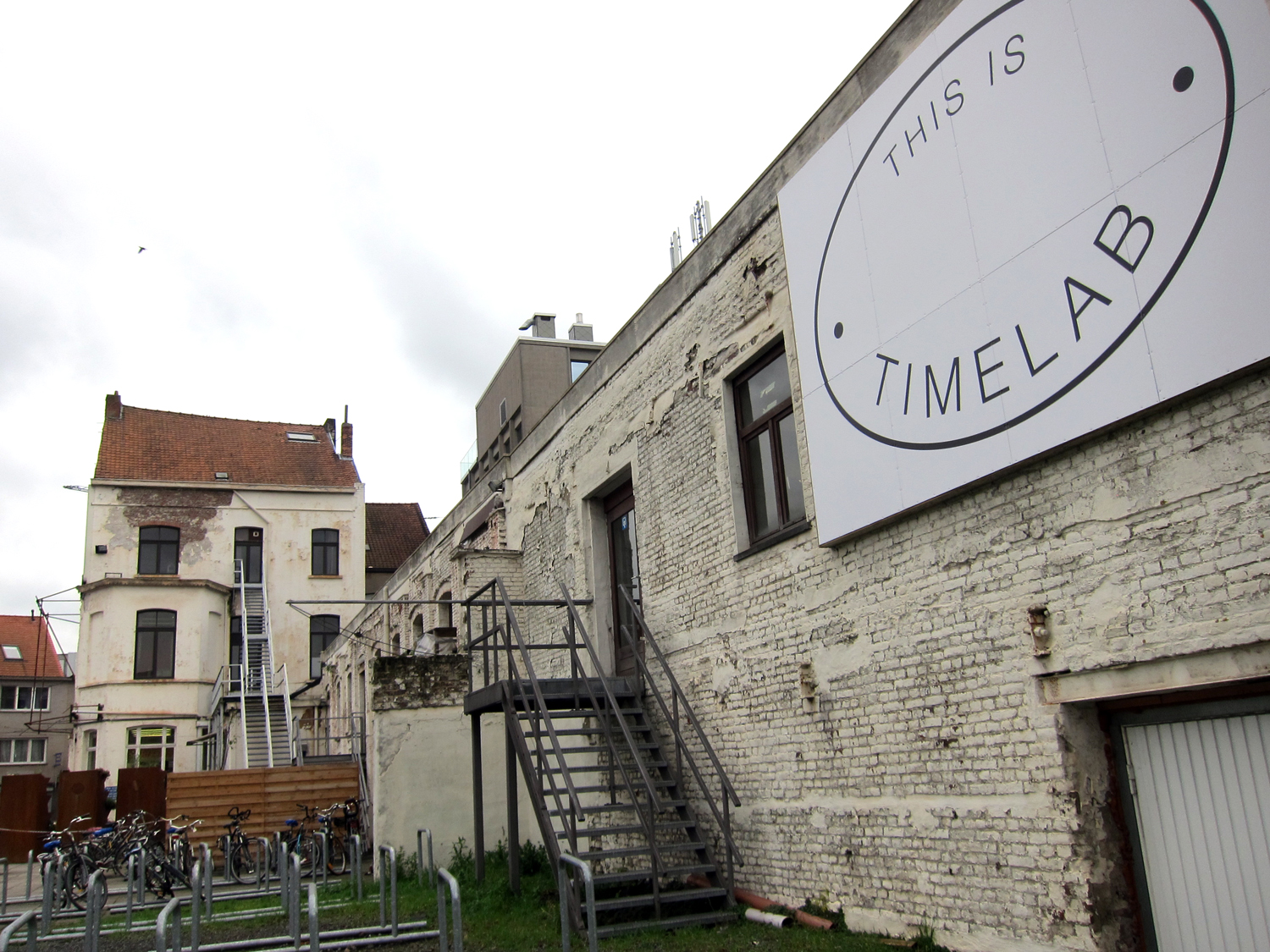
When I visited Timelab in 2012, it was a organisation which was working with two distinct communities: international artists, and a mostly local community of ‘makers’.
Since then, the Timelab core crew has taken a bold step further by radically changing the way they operate. The new organisational logic has been inspired by holocracy, alternative business development models, agile software development methods and various other concepts. This change has allowed many barriers to disappear – the artists and makers form one community instead of two, and there is a great amount of transparency in all the activities.
This blog post offers some glimpses to the way Timelab operates, based in the discussions I had with Eva de Groote and Evi Swinnen.
* * *
This is the Timelab manifesto (a rough translation):
Timelab gives examples of small and big changes. These inspire and trigger dialogue, and encourage development of new models. Timelab offers time and space for reflection on a complex society in transition. Continue reading →
Majelis Akbar harvest by Dan Perjovschi, January 2022
Here are some reflections on Lumbung One / documenta 15 –
For me the main motivation to visit Kassel was to try to get a sense of what Lumbung is and how it operates. It turned out that the documenta Handbook (which costs 28€) was the most useful source of information. The handbook dedicates 30 pages to introducing the Lumbung system and as far as I know, this same introduction is not available online.
To me, many aspects of Lumbung seem like steps to the right direction:
Being sensitive to the realities of art collectives in the Global South, giving them a strong mandate to define how they will participate
Setting the priorities right: the participating collectives should be able to keep up their regular activities even though they take part in documenta 15 (“Keep on doing what you are doing and find a translation to Kassel”)
Bringing all the participating collectives and artists into dialogue, enabling peer-support and collaboration
Increasing transparency in the process and finances, placing a substantial part of the funding to a common funding pool (creating a strong incentive for forming collaborations)
Aiming for more active audience engagement (participants instead of audience)
Aiming to build funding and collaboration models that would be sustainable and would function also after documenta (Lumbung Kios, Lumbung Gallery, etc)
An emphasis on sharing and harvesting, via https://lumbung.space, Lumbung Press, etc
Enabling the local art scene of Kassel to get involved
As someone who has been involved in various participatory experiments over the years, I find these aspects of Lumbung extremely interesting. I would also be eager to promote these, to send out a message that “hey everyone take a look at how Lumbung One operates, maybe there is something we could learn from it”.
However, things are not that simple. One distinct feature of Lumbung is the special vocabulary: ‘majelis’ instead of meeting, ‘ekosistem’ instead of ecosystem, ‘sobat-sobat’ instead of hosts, etc. Establishing a special vocabulary makes a lot of sense. It is an efficient way to avoid the hegemony of English/German. It forces everyone who visits Lumbung/documenta to stop and pay a bit closer attention on what’s going on. It is also a clever way to decentralise power and give room for innovation. Each of these terms has the potential of gaining a more elaborate definition and thus becoming a building block of the special Lumbung way of doing things.
The downside of the special language is that it is a barrier, a hindrance for building alliances. It is also a sort of protective buffer, which is perhaps what it is meant to be.
The complexity of Lumbung extends beyond the language. It’s a chimera with many heads and voices.
Lumbung is a practice. It is also a constellation of collectives and artists.
Lumbung refuses to conform and to be exploited: “We refuse to be exploited by European, institutional agendas that are not ours to begin with”.
Lumbung challenges the notions of authorship: “Will the much-needed dissolution of ownership and authorship happen in documenta fifteen? How will economy, credits and aesthetics be practiced and therefore understood differently in the 100 days?”.
Lumbung seeks a new aesthetic paradigm: “Socially engaged art comes from the experience of community and the needs of people. This involves participants in a horizontal situation where there is no leader or artist. This is different to the European paradigm of aesthetics which privileges the role of the spectator. We try to produce a new aesthetics – an ethical paradigm where the viewer is obsolete. They should not be there to observe but to be part of the process”.
The manifesto of Lumbung is “make friends, not art”.
* * * *
Curiously enough, one major adversary for Lumbung’s mission is Lumbung itself. Lumbung refuses to conform to any agenda, even its own: “Intuitively, every time we invent a principle, we don’t see it through completely: we happen to leave a part open and unruly, like when we decided to turn Fridericianum into a school but still needed the space for work that demands controlled museum conditions”.
So – despite aiming for a radically different manifestation of art, or perhaps even a manifestation without art, Lumbung also features plenty of art, some of which is indeed presented in museum conditions.
* * * *
So – how does one experience Lumbung as a visitor?
My own visit to Lumbung/Kassel took place in late July and I had a chance to spend three full days there. In some way my visit to Kassel was a rather typical mega scale art event visit – I spent 3 days on a bike going through most of the 32 venues, trying to see and experience as much as I could.
My personal highlights were perhaps the Ghetto Biennale at St Kunigundis, Intermundial Holobiente at Compost Heap, Taring Padi at Hallenbad Ost, INLAND at Ottoneum, Eltiqa group at WH22 as well as works by many individual artists (Pınar Öğrenci, Nino Bulling, ikibawiKrrr, FAFSWAG, etc). In other words – the most engaging things in Lumbung were the exhibitions and artworks. This felt a bit odd since as a visitor I was expecting a radically different experience, even a sort of rejection. This also felt a bit unfair for the artists – their works would have deserved to be acknowledged as an important key part of Lumbung, rather than being mentioned as a sort of anecdotal sidenote.
The participatory nature of Lumbung was definitely present as well. The overall vibe was more relaxed and unhinged compared to a conventional art event. One gets a sense of arriving to a festival and there is a promising feeling that many things are just about to happen. Unfortunately, in many locations things don’t evolve past this point. There are many amazing spaces that have been specifically designed for a participatory event, but there is simply nothing going on. If feels like arriving in a festival location a day after everyone else has left.
There are some exceptions though – some of the spaces remain engaging even though there would not be an event going on. It’s possible to browse books and magazines, to touch items, to dig into materials. I particularly enjoyed doing sort of detective work to try to figure out what had been going on in the Intermundial Holobiente workshops.
One visible feature were the big prints of the harvested material from Lumbung meetings. If one browses these materials online (at https://lumbung.space) then one can see them in a context, and can get some sense of the discussions that the community has been having. The big prints in the spaces do the opposite – they rather mystify than clarify. I find this a bit disappointing since this may give many people a wrong idea of what harvesting is about. Harvesting is one term in the Lumbung vocabulary, but it’s also a commonly used term in participatory practices (see for example https://artofhosting.org).
I also did try to make some friends! I had some nice (although short) chats with Lumbung Gallery people, as well as AKA Kassel people. If one would stay longer, these dialogues could have a chance to evolve further.
* * * *
What could Lumbung have done differently? Obviously, almost everything could have been done differently. Lumbung seems to have evolved in a very organic way, with many features being added during the years of preparations. In many ways it is a bold, unique experiment. The documenta organisation would deserve to get more credit for going along with this challenging, constantly evolving process.
Looking at Lumbung from the perspective of participatory practices, what was missing was an updated invitation (or a “calling question”) to documenta. Lumbung invested enormous efforts into changing the way documenta is put together, but from the perspective of a visitor all the basic things still remained pretty much the same. Thousands and thousands of people still flocked to Kassel, they all bought a tickets and perhaps a t-shirt or a book, and they saw plenty of art. If they did buy the documenta Handbook then they could learn about the Lumbung system but it is not the same as an invitation to take part in the system. The story does give some hints on how one could join or contribute, but these don’t match with the actual experience. In some way it’s simply a question of setting the wrong expectations. If Lumbung says that in Fridericianum “anyone can take part” then it’s odd if there is nothing there to take part in.
Would it have been possible to drastically change the fundamental mechanics of documenta? Perhaps not. One way to approach the situation is to acknowledge that Lumbung is doing many important and essential things, but documenta is just not the right context for these. Lumbung is already striving to do some many things that it’s maybe not fair or relevant to question what Lumbung does from the perspective of a regular visitor. However, Lumbung’s focus has been in changing very concrete, practical aspects of documenta, which in my opinion is an invitation for discussing these perspectives.
The most interesting and fruitful things have probably been happening inside Lumbung, among the members of Lumbung and their close collaborators. The positive effects might have been strong for the art scene in Kassel and for the activities in some far away locations – Indonesia, Colombia, Haiti, Palestine, etc. I’m afraid that these aspects will not be get the attention they would deserve. It’s tragic that fringe far-right groups were so successful in both instigating fear on location in Kassel as well as planting the seeds for the ‘anti-semitism scandals’ which derailed the public discussion.
* * *
The images are from various Lumbung Majelis harvests. Links to harvests: